
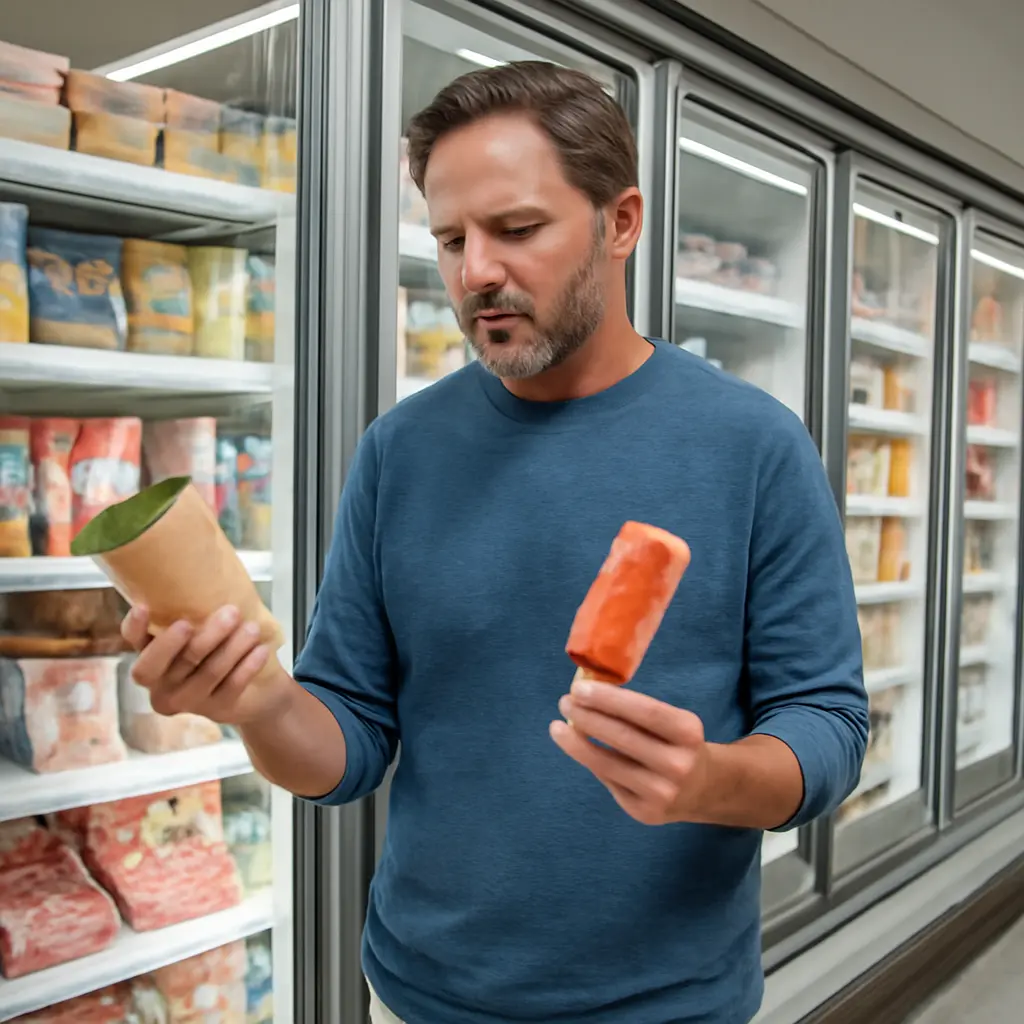
Dairy-free frozen treats are frozen desserts made without milk or other dairy ingredients, and today’s shoppers can choose from plant-based ice creams, fruit sorbets, frozen pops, and other alternatives. The category matters to people with milk allergy, lactose intolerance, vegan diets, or simply different taste preferences. The National Institute of Diabetes and Digestive and Kidney Diseases estimates that about 68% of the world’s population has difficulty digesting lactose after infancy, although rates vary widely by ancestry and region. A smart shopping decision means checking ingredients and allergen statements, comparing nutrition labels, and choosing a base and texture that suit your needs.
How Dairy-Free Frozen Treats Differ by Base and Ingredients
A dairy-free frozen treat is a frozen dessert formulated without milk-derived ingredients such as cream, butter, whey, or casein. The U.S. Food and Drug Administration explains that milk is a major food allergen and that packaged foods containing it generally must identify milk in the ingredient list or a “Contains” statement. “Dairy-free” describes the absence of dairy ingredients; it does not, by itself, guarantee that a product is nutritionally equivalent to ice cream or safe from cross-contact during manufacturing.
Common varieties include plant-based frozen desserts, fruit sorbets, water-based ice pops, and frozen desserts made with ingredients such as avocado. Their texture and nutrition differ: plant fats can provide creaminess, while fruit-and-water recipes tend to be lighter and more refreshing. Moving from the broad category to its main product types helps shoppers match a dessert to their dietary needs and expectations.
Plant-Based Frozen Desserts
Plant-based frozen desserts replace milk fat and proteins with ingredients such as coconut, oat, soy, almond, cashew, or pea. Coconut-based products are often rich and creamy; oat and soy versions may offer a more neutral flavor; nut-based products can have a distinctive taste. Recipes vary, so compare saturated fat, added sugars, protein, and serving size on the Nutrition Facts label rather than assuming all plant-based options are alike. Check for other allergens, too: a product without milk may still contain soy or tree nuts.
Sorbet and Fruit-Based Treats
Sorbet is generally a frozen mixture of fruit or fruit juice, water, and sweetener, rather than a cream-based dessert. It can be a useful dairy-free choice, but the name alone does not confirm that a particular recipe contains no dairy: some frozen desserts may include milk ingredients or be made on shared equipment. Read the full ingredient list and allergen statement, especially when shopping for someone with a milk allergy.
Ice Pops and Other Water-Based Options
Ice pops are frozen products commonly made from water, fruit, juice, or flavored syrup. They are often refreshing and portioned individually, but may contain added sugars, colorings, or little fruit. Check serving information and ingredients; “fruit-flavored” does not necessarily mean the product is mostly fruit. For a simple homemade option, freeze blended fruit in pop molds and adjust sweetness to taste.
How Shoppers Can Evaluate Labels and Nutrition
Comparing labels is particularly important because dairy-free products can differ substantially in calories, fat, sugar, protein, and fortification. The FDA’s Nutrition Facts label presents nutrition per serving, but package sizes and serving amounts can vary. For a useful comparison, compare the same serving weight when available, then consider how much you are likely to eat. Nutrition is one part of the decision; ingredient and allergen checks are essential when avoiding dairy for medical reasons.
Ingredients and Milk-Allergy Statements
For milk allergy, scan the ingredient list for milk-derived terms such as whey, casein, milk solids, and butter. In the United States, FDA-regulated packaged foods must clearly declare major allergens, including milk, under federal food-allergen labeling requirements. Advisory phrases such as “may contain” or “made on shared equipment” can signal possible cross-contact, but they are voluntary and do not use a single standardized risk scale. Anyone with a serious allergy should follow advice from their clinician or allergist and contact the manufacturer when the label leaves important questions unanswered.
Added Sugar, Fat, and Protein
Dairy-free does not automatically mean lower in sugar, calories, or saturated fat. Coconut-based desserts, for example, can be high in saturated fat, while some fruit pops may contain substantial added sugar. Protein also varies: soy and pea ingredients may contribute more than fruit-and-water recipes. Use the Nutrition Facts panel to compare added sugars, saturated fat, and protein per serving, and remember that toppings and portion size affect the overall dessert.
Fortification and Nutrient Differences
Milk naturally provides nutrients including calcium and protein, while plant-based frozen desserts are not necessarily fortified to match it. Some products add calcium or vitamins; others do not. The FDA identifies calcium and vitamin D among nutrients of public-health concern in U.S. diets, but a frozen dessert should not be assumed to be a meaningful source simply because it is made with a plant ingredient. Check the label and consider the wider diet, particularly when replacing dairy regularly.
How Texture, Flavor, and Storage Affect the Choice
A good match is not only about dietary suitability. The base, fat content, stabilizers, serving temperature, and storage all influence whether a product scoops smoothly, tastes rich, or feels icy. These practical differences explain why two desserts that are both dairy-free may deliver very different eating experiences.
Choosing a Texture and Flavor Profile
For a rich, creamy texture, shoppers often look to coconut, cashew, or oat-based products; for a bright, fruit-forward dessert, sorbet or an ice pop may be a better fit. Stabilizers and emulsifiers can help maintain smoothness, but their presence does not make a product inherently better or worse. If trying a new brand, a small container is a practical way to test flavor and texture before buying a larger size.
Serving and Freezer Tips
Plant-based frozen desserts can become firm in a home freezer. Let a tub soften briefly before scooping, following any package directions, and return it promptly to the freezer. Repeated melting and refreezing can worsen texture and may compromise food quality. Keep frozen treats at a consistent freezer temperature and avoid leaving them out while serving a group.
How to Shop for Different Dietary Needs
The reason for avoiding dairy changes what to prioritize. Someone with lactose intolerance may tolerate some foods differently from someone with a milk allergy, while a vegan shopper may also avoid honey or other animal-derived ingredients. The distinction is important: lactose-free products can still contain milk proteins, so they are not suitable for a person with milk allergy.
For Milk Allergy
Choose products whose ingredient and allergen information meet the individual’s medical guidance. Do not rely solely on front-of-package claims or a plant-based label, and be alert to cross-contact warnings. For severe allergies, consult an allergist about how to interpret precautionary labeling and whether to contact manufacturers.
For Lactose Intolerance
Lactose intolerance is difficulty digesting lactose, the sugar in milk; it is different from an immune response to milk proteins. Some people with lactose intolerance can manage particular amounts or products, but tolerance varies. Dairy-free options avoid lactose-containing dairy ingredients, while lactose-free dairy products may still contain milk proteins and therefore are not appropriate for milk allergy.
For Vegan Diets and Other Allergens
Vegan shoppers should review the complete ingredient list, since a product can be dairy-free but include another animal-derived ingredient, such as honey. They should also check for allergens they avoid, including soy, peanuts, and tree nuts. A quick store routine—check the product type, scan ingredients, read allergen information, then compare nutrition—makes repeat shopping easier and more reliable.
Conclusion: Make Dairy-Free Frozen Treats a Label-Led Choice
Dairy-free frozen treats range from creamy plant-based desserts to fruit sorbets and water-based pops. Their ingredients, nutrition, allergen risks, texture, and suitability differ, so no single option is best for every shopper. Start with the reason for avoiding dairy, read the ingredient and allergen statements carefully, compare serving-size nutrition, and choose a base that fits your taste. For allergy-related concerns, seek personalized medical advice and ask manufacturers about cross-contact when needed.
Sources: National Institute of Diabetes and Digestive and Kidney Diseases, Lactose Intolerance, https://www.niddk.nih.gov/health-information/digestive-diseases/lactose-intolerance; U.S. Food and Drug Administration, Food Allergies, https://www.fda.gov/food/food-labeling-nutrition/food-allergies; U.S. Food and Drug Administration, Food Allergies: What You Need to Know, https://www.fda.gov/food/buy-store-serve-safe-food/food-allergies-what-you-need-know; U.S. Food and Drug Administration, The Nutrition Facts Label, https://www.fda.gov/food/nutrition-facts-label/how-understand-and-use-nutrition-facts-label