
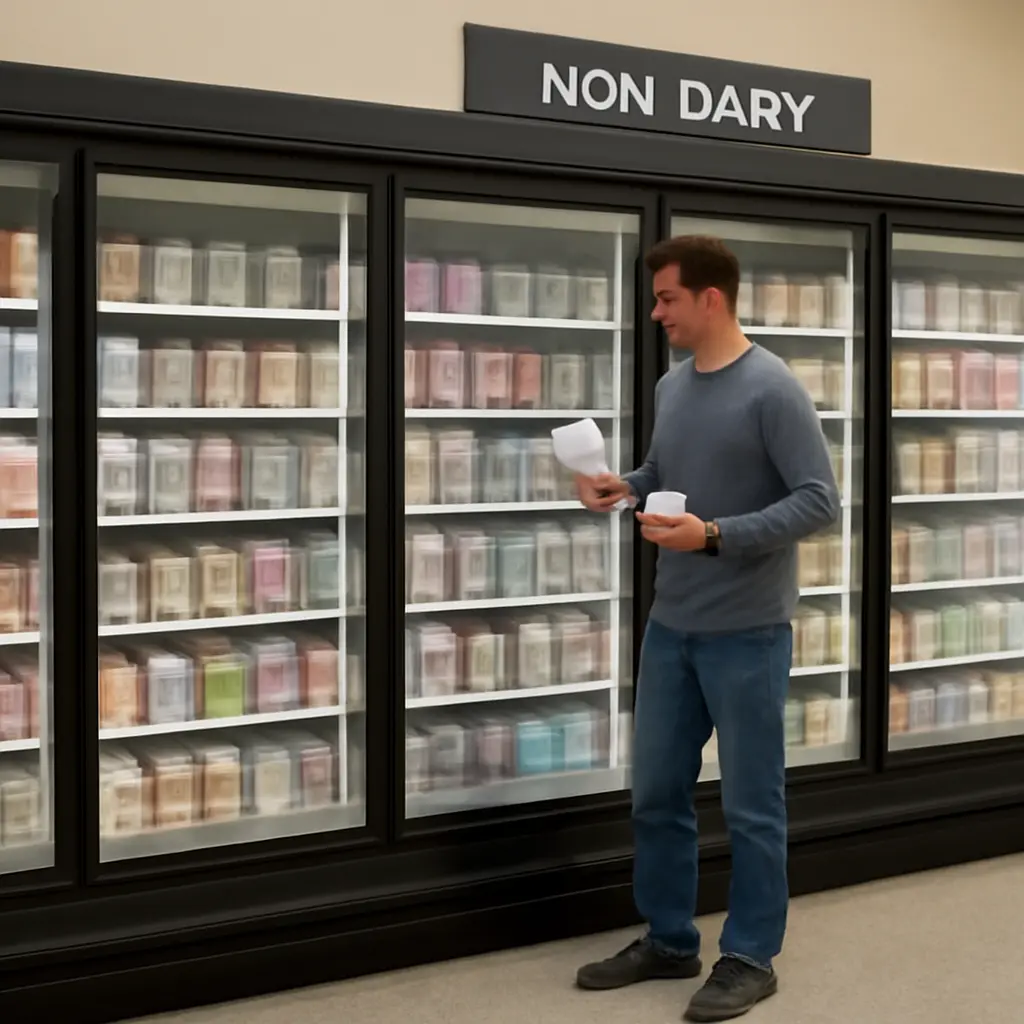
Non-dairy frozen desserts are frozen foods made without dairy ingredients such as milk, cream, or butter. They include plant-based ice creams, sorbets, and frozen fruit treats, made with ingredients such as coconut, oats, soy, nuts, or water. Their appeal extends beyond people avoiding lactose or dairy: they offer different flavors and textures, while their nutritional profiles vary widely. Understanding their ingredients, main types, and potential benefits can help shoppers compare products—especially because “non-dairy” does not automatically mean lower in sugar, calories, or saturated fat.
What “Non-Dairy” Means for Frozen Desserts
A non-dairy frozen dessert is a frozen product formulated without milk-derived ingredients. The U.S. Food and Drug Administration (FDA) distinguishes foods labeled “dairy-free” or “non-dairy” from foods that contain milk, but consumers should still check the ingredient list and allergen statement: a product may avoid dairy while containing other allergens, including soy, peanuts, or tree nuts.
In the United States, “ice cream” has a specific federal standard of identity that includes milkfat. As a result, many plant-based products are labeled “frozen dessert” rather than “ice cream,” though companies may use additional descriptive wording. The label helps distinguish products, but it does not by itself indicate how nutritious or environmentally preferable a dessert is.
The category includes several related types: creamy frozen desserts made with plant-based beverages or fats, fruit-forward sorbets and water ices, and frozen products made primarily from blended fruit. Their ingredients and texture differ, so the best comparison starts with the product type.
Ingredients in Non-Dairy Frozen Desserts
Plant-based frozen desserts typically combine a base, sweetener, fat or texture-building ingredients, and flavorings. The base supplies much of the product’s character, while stabilizers and emulsifiers can help limit ice crystals and maintain a smooth texture. Ingredient choices vary by recipe and brand.
Plant-based milks and other bases
Common bases include oat, soy, almond, cashew, coconut, and rice beverages. Coconut products often have a rich mouthfeel because coconut contains fat; oat bases can provide a creamy texture; and soy contributes plant protein. Water and fruit are common bases in sorbet and fruit-based treats. These ingredients are not nutritionally interchangeable: for example, an unsweetened soy beverage generally provides more protein than many almond beverages, but the finished dessert’s nutrition depends on its full recipe.
Fats, sweeteners, and texture ingredients
Coconut oil, cocoa butter, and other plant oils may contribute richness, while sugar, syrups, or fruit concentrates add sweetness and affect freezing behavior. Guar gum, locust bean gum, and other stabilizers may be used to improve consistency; emulsifiers help ingredients such as water and fat stay evenly combined. Their presence is a feature of formulation, not proof that a product is either healthier or less healthy.
Flavorings and mix-ins
Vanilla, cocoa, fruit, coffee, and spices provide flavor, while chocolate chips, cookie pieces, nuts, and sauces add texture. Mix-ins can also change the nutrition profile, including sugar, calories, and saturated fat. People with food allergies should read both the ingredients and allergen information, since a dairy-free recipe may still contain or be made around other allergens.
Types of Non-Dairy Frozen Desserts
Non-dairy frozen desserts can be grouped by their base and texture. Knowing the differences helps explain why a coconut-based product may taste rich while a fruit sorbet feels lighter and more refreshing.
Plant-based frozen desserts
These products are designed to resemble conventional ice cream, using a plant beverage or oil-based blend for a creamy texture. Their flavor and richness vary with the base: coconut-based versions may be especially creamy, while oat- or nut-based versions have distinct flavors. Check nutrition facts rather than assuming that plant-based means low-calorie or low-fat.
Sorbet and water ice
Sorbet is generally made from fruit, water, and sweetener, without dairy. Water ice is also fruit- or flavor-based and typically has a coarser or icier texture. These options can be suitable for people avoiding dairy, but sweetened versions may still contain substantial added sugar. Fruit content and serving size matter when comparing labels.
Frozen fruit and “nice cream”
Blended frozen bananas or other fruit can create a soft, scoopable treat often called “nice cream.” Recipes may use only fruit, or may add plant beverages, nut butter, cocoa, or sweeteners. A fruit-only version can provide fiber and fruit nutrients, but additions can alter its calories and allergen profile.
Potential Benefits and Nutrition Considerations
The most direct benefit of a non-dairy frozen dessert is that it can provide a dessert option for people who avoid dairy. Whether it is suitable for a particular person depends on the reason for avoidance, the recipe, and individual nutrition needs. Product-level comparisons are more useful than broad claims about the entire category.
An option for dairy avoidance
People with lactose intolerance may choose products made without dairy to avoid lactose, the naturally occurring sugar in milk. People with a milk allergy must avoid milk proteins, and should verify the label and manufacturing information rather than relying only on front-of-package wording. The National Institute of Diabetes and Digestive and Kidney Diseases notes that lactose intolerance is common and that symptoms and tolerance differ among individuals.
Plant ingredients and dietary variety
Some products use soy, nuts, oats, or fruit, allowing consumers to choose ingredients that fit their preferences or eating patterns. A soy-based dessert may contribute more protein than a fruit ice, for example, while a fruit-based treat may provide fruit-derived nutrients. These differences are product-specific; a dessert should not be treated as a meaningful source of nutrients without checking its Nutrition Facts label.
How to compare nutrition labels
Compare serving size, calories, added sugars, saturated fat, and—where relevant—protein. The FDA’s Daily Value guidance treats 5% DV or less per serving as low and 20% DV or more as high for a nutrient, a useful rule of thumb when assessing packaged foods. A small serving can make a product appear lower in sugar or calories, so compare equivalent portions. Also check whether a product is fortified; plant-based ingredients do not necessarily provide the same nutrients as dairy.
Choosing and Serving Non-Dairy Frozen Desserts
Choose a product based on dietary needs, taste, and the nutrition information—not the “non-dairy” claim alone. For an allergy, verify the allergen declaration and contact the manufacturer if cross-contact is a concern. For general nutrition comparisons, review the serving size and ingredients, and consider whether the product’s sugar, saturated fat, and calories fit your preferences.
At home, frozen bananas or berries can be blended into a simple fruit-based dessert, while a plant-based frozen dessert can be served with fresh fruit or a modest portion of toppings. These serving ideas do not make every recipe nutritionally equivalent, but they allow control over ingredients and portions.
Conclusion
Non-dairy frozen desserts are a broad category that includes creamy plant-based products, sorbets, water ices, and blended frozen fruit. Their bases, fats, sweeteners, and mix-ins determine their texture and nutritional profile. They can offer a convenient alternative for people avoiding dairy, but “non-dairy” does not automatically mean low in sugar, calories, or saturated fat. Read ingredient and allergen statements, compare Nutrition Facts using similar serving sizes, and choose the type that best fits your needs.
Sources: U.S. Food and Drug Administration, 21 CFR § 135.110, Ice cream and frozen custard, https://www.ecfr.gov/current/title-21/chapter-I/subchapter-B/part-135/section-135.110; U.S. Food and Drug Administration, How to Understand and Use the Nutrition Facts Label, https://www.fda.gov/food/nutrition-facts-label/how-understand-and-use-nutrition-facts-label; U.S. Food and Drug Administration, Food Allergies, https://www.fda.gov/food/food-labeling-nutrition/food-allergies; National Institute of Diabetes and Digestive and Kidney Diseases, Lactose Intolerance, https://www.niddk.nih.gov/health-information/digestive-diseases/lactose-intolerance