
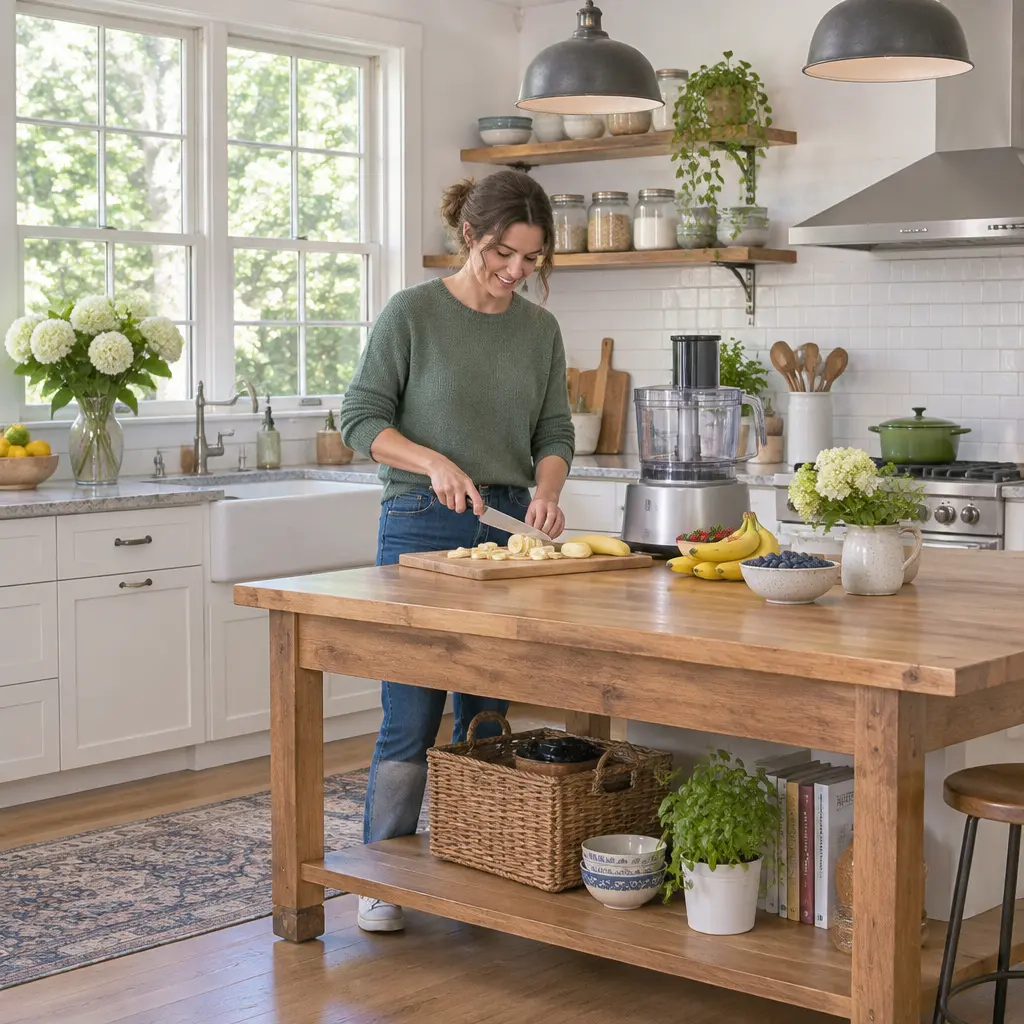
Banana nice cream is a frozen dessert made by blending ripe bananas into a smooth, ice-cream-like mixture, usually without dairy. Its texture depends heavily on how ripe the bananas are before blending: bananas that are yellow with brown speckles tend to balance sweetness, softness, and enough structure for a creamy result, while very green fruit can taste starchy and very overripe fruit may produce a looser, sweeter blend. Choosing fruit by ripeness, freezing it in manageable pieces, and blending in short pulses helps control the outcome. The guidance below explains how ripeness affects texture, how to prepare bananas, and how to adjust the method for firmer or softer results.
How Banana Ripeness Shapes Nice Cream Texture
For nice cream, banana ripeness is the fruit’s stage of development as indicated by peel color, firmness, aroma, and the condition of its flesh. The U.S. Department of Agriculture’s Agricultural Research Service describes bananas as climacteric fruit: they continue to ripen after harvest, with changes in color, sweetness, and firmness during ripening. These changes matter in the blender because ripe bananas are softer and sweeter, whereas less-ripe bananas are firmer and contain more starch.
The useful ripeness categories are green or barely yellow, fully yellow, yellow with brown speckles, and heavily spotted or mostly brown. There is no single scientifically established peel-color threshold that guarantees perfect nice cream; freezer temperature, banana size, blender strength, and added liquid also affect the result. As a practical starting point, use yellow bananas with scattered brown spots for a balanced, creamy blend.
Green or Barely Yellow Bananas: Firm and Starchy
Green bananas have firmer flesh and more starch than ripe bananas, so they can be harder to process into a smooth frozen dessert and may taste less sweet. The Food and Agriculture Organization’s banana post-harvest guidance describes ripening as a process involving starch-to-sugar conversion and softening. If green bananas are all you have, let them ripen at room temperature before freezing rather than relying on extra blending or sweetener to correct their texture and flavor.
Yellow Bananas: Mild Flavor and More Structure
A fully yellow banana is ripe enough to blend but usually retains more firmness than a heavily spotted one. It can make a slightly firmer, less sweet base, particularly when frozen in small pieces. This stage is useful when you want the banana flavor to remain mild or plan to add naturally sweet ingredients such as dates, ripe mango, or a small amount of honey.
Speckled Bananas: A Reliable Starting Point
Yellow bananas with brown speckles are a practical choice for classic nice cream because ripening has softened the flesh and increased its sweetness without making it entirely mushy. The National Center for Home Food Preservation advises selecting sound, ripe bananas for freezing. For nice cream, peel and slice them before freezing so the pieces are easier to blend evenly; a ripe banana’s natural sugars and soft flesh help create a cohesive mixture.
Very Spotted or Brown Bananas: Sweet but Potentially Soft
Very ripe bananas are sweet and soft, which makes them easy to mash but can contribute to a softer, more quickly melting result after blending. They remain useful if the fruit is still sound and has no signs of spoilage, but balance them with thoroughly frozen banana pieces and avoid adding liquid at the start. Discard bananas with mold, fermentation-like odors, or leaking flesh rather than using peel color alone to judge safety.
How Freezing and Preparation Affect Banana Nice Cream
Ripeness sets the starting point, but freezing and preparation determine how evenly the bananas break down. Freezing does not ripen fruit; it preserves the fruit at its current stage. The National Center for Home Food Preservation recommends peeling bananas before freezing and notes that frozen bananas can be used in recipes after thawing. For nice cream, freezing peeled slices directly on a tray first helps prevent them from sticking together in one large clump.
Slice Before Freezing for Even Blending
Cut bananas into roughly 1- to 2-inch pieces and arrange them in a single layer on a lined tray. Once firm, transfer the pieces to a sealed freezer bag or container. Smaller pieces distribute through the blender more readily than whole frozen bananas, reducing the temptation to add excess liquid. The USDA Food Safety and Inspection Service advises keeping frozen foods at 0°F (-18°C); a consistently cold freezer helps maintain the frozen state needed for a thick blend.
Freeze Until Firm, Not Frosted into a Block
Banana pieces should be solidly frozen before blending, but they should remain separable. If they freeze together, briefly let the container sit at room temperature or loosen the pieces by tapping the sealed bag on a counter. Avoid partially thawing the whole batch: softened pieces can release moisture and make the final mixture runnier.
Use Added Liquid Sparingly
Liquid helps a blender move ingredients, but too much turns a spoonable dessert into a smoothie. Start with no liquid, or add only a small splash of milk or plant-based milk if the blades stall. Pause to scrape down the sides and redistribute the fruit before adding more. A food processor often handles frozen banana pieces with less added liquid than a standard countertop blender.
How to Blend Banana Nice Cream for the Desired Texture
Blending technique is the bridge between frozen fruit and a creamy dessert. Process the banana in short pulses at first, then blend continuously once the pieces begin to break down. This limits overheating and gives you a chance to judge whether the mixture needs scraping, a brief rest, or a small amount of liquid. The texture can range from soft-serve immediately after blending to a firmer scoop after a short refreeze.
For Thick, Spoonable Soft-Serve
Use fully frozen banana pieces and blend in a food processor or a powerful blender with a tamper. Stop periodically to scrape the sides and push pieces toward the blades. The mixture is ready when it looks smooth and holds soft peaks. Serve promptly because blended frozen fruit softens quickly at room temperature.
For Firmer, Scoopable Nice Cream
Transfer blended nice cream to a shallow, freezer-safe container and freeze until it reaches the firmness you prefer. A shallow layer chills more evenly than a deep container. If it becomes too hard to scoop, let it stand briefly at room temperature and check the texture again rather than microwaving it for a long period.
For a Smooth Result Without Overworking the Machine
If the blender stalls, switch it off before scraping or repositioning the fruit. Work in smaller batches when necessary, and use the manufacturer’s instructions for frozen ingredients. Repeatedly running a struggling motor can overheat the appliance, while adding a large pour of liquid can thin the dessert. Patient pulsing and scraping generally preserve a thicker texture.
Texture Troubleshooting by Ripeness and Method
A quick diagnosis can show whether the problem came from fruit selection, freezing, or blending. Think of the texture as the combined result of banana softness, frozen-piece size, and added moisture rather than ripeness alone.
- Grainy or starchy: The bananas may have been underripe, or the mixture may need more processing and scraping. Choose more mature fruit next time.
- Too soft or runny: The bananas may have been very ripe, partially thawed, or blended with too much liquid. Refreeze the mixture briefly, or blend in additional frozen banana pieces.
- Chunky: Pieces may be too large, frozen into a clump, or crowded in the bowl. Break them apart and process a smaller batch.
- Too hard after storage: The dessert has frozen solid. Let it soften briefly before scooping; next time, serve it soon after blending for a soft-serve texture.
- Dull or overly sweet flavor: Use bananas with fewer brown spots or add a small amount of unsweetened cocoa, nut butter, or tart fruit to balance the sweetness.
A Practical Ripeness-to-Texture Guide
The following guide is a kitchen rule of thumb, not a laboratory standard. Banana variety, growing conditions, storage, and individual preference can shift the result.
- Green or barely yellow: Firm, less sweet, and more likely to taste starchy; ripen before freezing.
- Fully yellow: Mild and relatively structured; suitable for less-sweet nice cream.
- Yellow with brown speckles: Soft and sweet, with a useful balance for a creamy base.
- Mostly brown but sound: Very sweet and soft; blend with fully frozen pieces and add no liquid initially.
Conclusion: Choose Ripeness Before You Blend
Banana nice cream texture begins with ripeness: green fruit is firmer and starchier, yellow fruit is milder, speckled fruit offers a dependable balance, and very ripe fruit brings extra sweetness and softness. Freezing peeled slices separately, blending in controlled pulses, and limiting added liquid help turn that starting material into a thick dessert. Try a small batch with speckled bananas, note how your appliance performs, and adjust ripeness or freezing time to suit your preferred finish. For further guidance, consult the USDA Agricultural Research Service and the National Center for Home Food Preservation resources on banana ripening and freezing.
Sources: U.S. Department of Agriculture, Agricultural Research Service, The Commercial Storage of Fruits, Vegetables, and Florist and Nursery Stocks, https://www.ars.usda.gov/ARSUserFiles/oc/np/CommercialStorage/CommercialStorage.pdf; Food and Agriculture Organization of the United Nations, Banana Post-Harvest Operations, https://www.fao.org/3/ae075e/ae075e00.htm; National Center for Home Food Preservation, Freezing Bananas, https://nchfp.uga.edu/how/freeze/fruits/freezing-bananas/; USDA Food Safety and Inspection Service, Freezing and Food Safety, https://www.fsis.usda.gov/food-safety/safe-food-handling-and-preparation/food-safety-basics/freezing-and-food-safety.